Recent Articles:

News 1/26/17

January 26, 2017 News Comments Off on News 1/26/17

Top News

image

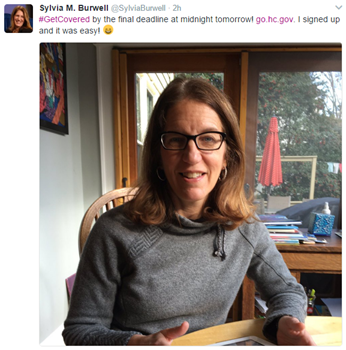
Former HHS Secretary Sylvia Burwell will take over as CEO of American University in Washington, DC on June 1. She will become the first woman in the school’s history to hold the position. It seems to be her first foray into the professional world of academia. Aside from her government gigs (including stints during the Clinton administration), Burwell has also lent her expertise to the Walmart Foundation and the Bill & Melinda Gates Foundation. For context, her predecessor at HHS, Kathleen Sebelius, went on to form her own consulting and leadership development firm.


Webinars

February 1 (Wednesday) 1:00 ET. “Get your data ready for MACRA: Leveraging technology to achieve PHM goals.” Sponsored by Medicity. Presenters: Brian Ahier, director of standards and government affairs, Medicity; Eric Crawford, project manager, Medicity; Adam Bell, RN, senior clinical consultant, Medicity. Earning performance incentives under MACRA/MIPS requires a rich, complete data asset. Use the 2017 transition year to identify technology tools that can address gaps in care, transform data into actionable information, and support population health goals and prepare your organization for 2018 reporting requirements.


Acquisitions, Funding, Business, and Stock

image

Less than two weeks after dissolving its Coordinated Care Oklahoma HIE, Yeaman and Associates taps its relationship with Nuance to create the Coordinated Care Health Network – a subscription-based, radiology image-sharing service for HIEs that relies on the Nuance PowerShare Network. Yeaman and Associates CEO Brian Yeaman, MD has hinted that an accompanying patient-matching service is also in the works.

image

Atlanta-based healthcare software and app development company Pointclear Solutions will relocate and expand its Nashville office this spring. The company, which currently employs 20 Music City staffers, plans to hire an additional 30 over the next two years. The new office space will become Pointclear’s primary development hub.


Announcements and Implementations

image

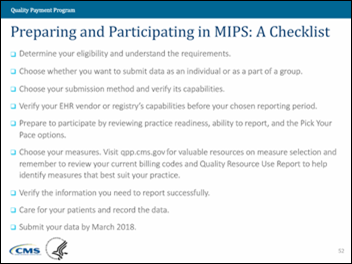
Universal Research Solutions develops a MIPS-specific qualified clinical data registry and real-time performance scores dashboard to help reduce the administrative reporting burdens already associated with the new program.

image

HealtHIE Georgia, an HIE serving rural providers in southern part of the state, connects to the statewide Georgia Health Information Network. Phase one of the project has already connected two hospitals and 20 clinics to GaHIN. A second phase will add six hospitals and a yet-to-be-determined number of clinics.

image

The McKesson Specialty Health-supported US Oncology Network adds 50 Vantage Oncology practices and their 350 affiliated physicians as part of an acquisition announced nearly a year ago. McKesson acquired the oncology-focused practice management company plus Biologics, an oncology pharmacy services company for a combined $1.2 billion.


People

image

Christie Lawrence (KPN Health) joins consulting firm ARDX as VP of commercial services.


Research and Innovation

image

McKesson’s IKnowMed EHR for oncologists comes out on top in a six-month Black Book survey of 733 physician practices. The software came McKesson’s way through its acquisition of US Oncology (now US Oncology Network) for $2.16 billion in 2010.

image

A New England Journal of Medicine survey of 426 PCPs finds just 15 percent are in favor of totally repealing the ACA. Of those that voted for President Trump, only 38 percent would like to see the ACA repealed in its entirety. An overwhelming majority are in favor of keeping the provisions related to pre-existing conditions, allowing young adults to remain on parental policies, and tax subsidies to consumers. Nearly half are in favor of penalizing those that don’t sign up for insurance. Nearly 74 percent are in favor of making changes to the law, though there doesn’t seem to be a general consensus on what those changes should be. Many of those surveyed responded most favorably to proposals that would increase consumer choice of health plans and greater use of health savings accounts.


Contacts

Jenn, Mr. H, Lorre

More news: HIStalk, HIStalk Connect.

Get HIStalk Practice updates.
Contact us online.
Become a sponsor.

JennHIStalk

Readers Write: The Need for Pediatric-Specific Functionality in EHRs

January 26, 2017 News Comments Off on Readers Write: The Need for Pediatric-Specific Functionality in EHRs

The Need for Pediatric-Specific Functionality in EHRs
By Sue Kressly, MD

image

Pediatricians repeat this message often: Children are not just little adults. This sentiment rings true in both how we practice medicine and in what we need from our EHR technology. Despite our unique challenges in treating children and adolescents, according to a recent AHRQ Technical Brief, only 8 percent of pediatricians are using a fully functional EHR with pediatric functionality.

As healthcare providers have transitioned from paper to electronic records, we will soon see the first generation of patients who have never had a paper record. For these patients, their entire lifespan will be captured in electronic format. However, if pediatricians are using an adult-based model to capture, support, and record the information of young patients, how can they possibly trust its accuracy? Quite frankly, it’s akin to building a skyscraper knowing the first 21 floors were built with faulty materials.

While much work went into developing the Model Children’s EHR format, the majority of physicians who care for children are still waiting for basic functionality that keeps children safe and supports pediatric evidence-based guidelines. Accurate and useable pediatric growth charts, alerts for abnormal pediatric vital signs according to normative values (120/80 is not a normal blood pressure for a three year-old), and accurate and useable weight-based medication prescribing and liquid dose calculations should be ubiquitous by now – but they aren’t. Unfortunately, pediatricians are still pulling out their smartphones to calculate medication doses.

Incorporating recall systems for annual preventive care is easy and available. However, children are seen, at varying intervals, 12 times in the first three years of life, according to the Bright Futures periodicity schedule. This is the foundation of pediatric medical care, yet very few EHRs provide the ability to recall patients for caring, according to this well-established guideline. Further, recording details of an examination is fraught with its own difficulties. Many adult-based EHRs are delivered with templates including a neurologic exam that reports “alert and oriented x 3.” This is completely inappropriate for an infant, and there is often no easy way to document the subtleties of the physical exam for children, because of their dynamic nature change over time. For example, documentation about an anterior fontanelle and infant hip exam are of crucial importance in the first year of life, as is scoliosis screening and Tanner staging during adolescence. However, these templates for documentation are not available in one-size-fits-all EHRs.

Support for vaccine inventory and clinical decision support surrounding immunization forecasting are integral to pediatric care. Yet, most EHRs do not support and update immunization information in a meaningful way. In addition, adolescent privacy presents its own challenges. What demographic is more poised to want to interact with their physician via electronic technology than teens and young adults? However, most portal technology lacks the ability to tackle the unique challenges of communication with both parents/guardians and teens on sensitive matters, such as such as communicating directly with a teen about her chlamydia screening test or a parent about the results of a parental ADHD survey.

Pediatricians want robust health IT for both their patients and their practices. It’s time for the industry to step up and deliver what the future of our community deserves as pointed out by the American Academy of Pediatrics’ Blueprint for Children – Pediatric functionality to support and promote the health of children and the pediatricians who care for them.

Sue Kressly, MD is owner and a practicing pediatrician at Kressly Pediatrics in Warrington, PA. She is also medical director of Office Practicum.


Contacts

Jenn, Mr. H, Lorre

More news: HIStalk, HIStalk Connect.

Get HIStalk Practice updates.
Contact us online.
Become a sponsor.

JennHIStalk

News 1/25/17

January 25, 2017 News Comments Off on News 1/25/17

Top News

image

image

Nearly 120 healthcare stakeholders including health systems, trade associations, healthcare IT vendors, life sciences companies, and even trade unions submit a letter to President Trump and Vice President Pence emphasizing the need to move to value-based payment models that put patients at the center of their care. They offer up 10 principles – none of which overtly reference technology – to keep the momentum going in the industry’s glacial shift away from fee-for-service. Several of the letter’s authoring groups further addressed their concerns during a policy briefing in Washington, DC.


Webinars

January 26 (Thursday) 1:00 ET. “Jump Start Your Care Coordination Program: 6 Strategies for Delivering Efficient, Effective Care.” Sponsored by Healthwise. Presenters: Jim Rogers, RN, RPSGT, director of healthcare solutions, Persistent Systems; Jason Burum, chief client officer, Healthwise. This webinar will explain how to implement a patient-centered care coordination program that will increase quality as well as margins. It will provide real-world examples of how organizations used care coordination to decrease readmission rates, ED visits, and costs.

February 1 (Wednesday) 1:00 ET. “Get your data ready for MACRA: Leveraging technology to achieve PHM goals.” Sponsored by Medicity. Presenters: Brian Ahier, director of standards and government affairs, Medicity; Eric Crawford, project manager, Medicity; Adam Bell, RN, senior clinical consultant, Medicity. Earning performance incentives under MACRA/MIPS requires a rich, complete data asset. Use the 2017 transition year to identify technology tools that can address gaps in care, transform data into actionable information, and support population health goals and prepare your organization for 2018 reporting requirements.


Announcements and Implementations

Compulink adds Weave’s patient scheduling and appointment reminder software to its PM technology for specialists.


People

image

Community Health Center of Cape Cod (MA) promotes CIO Katy O’Connell to COO.

image

Jim Kopczynski (Continental Energy Services) joins remote patient monitoring technology company Critical Signal Technologies as COO.

image image image

Genome Medical hires Steven Bleyl, MD (Intermountain) as CMO, Erynn Gordon (23andMe) as chief clinical officer, and Audrey Fan (Geisinger) as senior genetic counselor, service delivery innovation. The San Francisco-based startup provides genetic counseling on predisposition testing and reproductive health via telemedicine in 40 states. It plans on rolling out services for adult and pediatric genetics later this year to all 50 states.

Hixny announces its 2017 Board of Directors. The Albany, NY-based RHIO connects data between over 720 healthcare organizations (including 2,364 physicians) and manages 2.6 million records in its Master Patient Index.


Telemedicine

Esis adds telemedicine to its NurseLine triage services for occupational health.

image

The Scott Center for Autism Treatment at the Florida Institute of Technology launches a telemedicine initiative, including an interactive portal and resource-rich website, to bring therapy to patients in rural areas.


Government and Politics

image

In other healthcare coalition news, 17 stakeholder groups band together to urge payers to reform prior authorization requirements. As a new AMA survey highlights, it now takes the average practice 16 hours to complete an average of 37 PAs for every physician on staff. The coalition is pushing for standardized reform around 21 principles that focus on clinical validity, continuity of care, transparency and fairness, and timely access and administrative efficiency, and alternatives and exemptions.


Other

image

Local public radio looks at the nascent trend of “DIY Healthcare,” focusing on several Quest Diagnostics programs that allow patients to order lab tests without a physician’s orders. Bypassing the physician “middleman” may have negative repercussions, stresses AAFP President-elect and family physician Michael Munger, MD. “I always try to educate my patients that any time they go to receive any test, I want a chance to sit down and talk to them, look at the trends, put that into the overall scope of where that fits in for their health care and what those results really mean.” I hate to say it, but I think Munger’s emphasis on results in the context of a patient’s health history may soon be lost on consumers who are increasingly having to become savvy healthcare service shoppers. What’s to stop a patient (one who likely has a high deductible and co-pay) from self-ordering a test, then setting up a results review consult with a telemedicine provider – a consult that might even be “free” as part of whatever health benefits they have? On second thought, it seems like a business model lab testing companies might soon look into.


Sponsor Updates

Blog Posts


Contacts

Jenn, Mr. H, Lorre

More news: HIStalk, HIStalk Connect.

Get HIStalk Practice updates.
Contact us online.
Become a sponsor.
JennHIStalk

News 1/24/17

January 24, 2017 News Comments Off on News 1/24/17

Top News

image

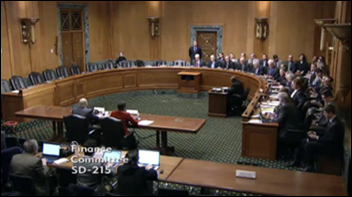
HHS Secretary nominee Rep. Tom Price, MD (R-GA) faces his second confirmation hearing. Today’s four-hour grilling saw Price take questions from the Senate Finance Committee, with much of it focusing on his stock purchases, stance on Medicaid expansion, and any insight he may have regarding Trump’s repeal and replacement plan for the ACA. He remained mum on the President’s plans, only going so far as to say that he was committed to affordable and accessible healthcare. The  Finance Committee has the jurisdiction to vote on his nomination, after which the full Senate will vote on his confirmation. If confirmed (and media outlets report that is likely based on party-line votes), Price will become the first physician in 24 years to head the department.


HIStalk Practice Announcements and Requests

image

Be sure to check out the first installment of the HIStalk Practice Winners Circle, an interview series featuring physician practice professionals that have been recognized for their health IT-related expertise. If you know of someone who has received accolades for their way with health IT, let me know. I’d be happy to interview them.


Webinars

January 26 (Thursday) 1:00 ET. “Jump Start Your Care Coordination Program: 6 Strategies for Delivering Efficient, Effective Care.” Sponsored by Healthwise. Presenters: Jim Rogers, RN, RPSGT, director of healthcare solutions, Persistent Systems; Jason Burum, chief client officer, Healthwise. This webinar will explain how to implement a patient-centered care coordination program that will increase quality as well as margins. It will provide real-world examples of how organizations used care coordination to decrease readmission rates, ED visits, and costs.

February 1 (Wednesday) 1:00 ET. “Get your data ready for MACRA: Leveraging technology to achieve PHM goals.” Sponsored by Medicity. Presenters: Brian Ahier, director of standards and government affairs, Medicity; Eric Crawford, project manager, Medicity; Adam Bell, RN, senior clinical consultant, Medicity. Earning performance incentives under MACRA/MIPS requires a rich, complete data asset. Use the 2017 transition year to identify technology tools that can address gaps in care, transform data into actionable information, and support population health goals and prepare your organization for 2018 reporting requirements.


Announcements and Implementations

image

Direct messaging and addresses continue to achieve record levels, according to the latest stats from nonprofit overseer DirectTrust. Direct interoperability network participants sent 98 million messages in 2016 – 33.5 million of which were sent in the fourth quarter. Participation increased by 36 percent – from 52,000 in 2015 to 71,000 in 2016 – further proof in my mind that physicians will act on interoperability when given the chance.

image

Ophthalmology and optometry software and services company Eye Care Leaders integrates OptimizeRx’s prescription savings service with its partner EHRs, including EyeDoc, Integrity EMR, IO Practiceware, ManagementPlus, MDoffice, and Medflow.

Physician service business Ion Solutions will offer Healthgrid’s patient engagement technology to its practice-based oncology customers. The tool will enable oncologists to stay connected with patients via mobile notifications/reminders, surveys, and educational resources – all aimed at improving medication adherence.


People

image

Patrick O’Keefe (Anthem|Empire BlueCross Blue Shield) joins Zelis Healthcare as chief commercial officer.


Research and Innovation

image

A MediKeeper study of 3 million employees with access to workplace wellness programs shows that corporate stress is on the decline. The study, conducted by the wellness portal developer between 2014 and 2016, found that the majority (36 percent) of respondents rated their stress level as a “2” on a scale of 1 to 5. Those who ticked “1” increased by nearly 60 percent over the three-year period. Those that reported the highest stress level – “5” – dropped by 39 percent. Though the study is a bit self-selecting, it does tangentially point to the impact access to programs via technologies like portals can have on employee health and wellness levels. It would be interesting to dig further into the data to find out just how much each employer’s bottom line benefitted from less-stressed staff.


Other

image

Providers take aim at the efficacy and safety of wearable baby monitors in a new JAMA editorial, calling out direct-to-consumer devices from companies like Baby Vida, MonBaby, and Owlet as being untested and inappropriate for infant monitoring. “[T]here is a serious question whether these are appropriate in monitoring healthy infants,” says Christopher Bonafide, MD of Children’s Healthcare of Philadelphia. “A single abnormal reading may cause overdiagnosis—an accurate detection that does not benefit a patient.” His colleague, Elizabeth Foglia, MD adds that, “In the future, some physiological monitors may offer real benefits to vulnerable infants at home, but we have no evidence now that these devices are safe, accurate or effective.”


Contacts

Jenn, Mr. H, Lorre

More news: HIStalk, HIStalk Connect.

Get HIStalk Practice updates.
Contact us online.
Become a sponsor.

JennHIStalk

HIStalk Practice Winners Circle: Baqar Naqvi, Practice Manager, Progressive Medical Care

January 24, 2017 Interviews Comments Off on HIStalk Practice Winners Circle: Baqar Naqvi, Practice Manager, Progressive Medical Care

Editor’s Note: This is the first installment of the HIStalk Practice Winners Circle, an interview series featuring physician practice professionals that have been recognized for their health IT-related expertise.


Baqar Naqvi is the practice manager for Progressive Medical Care in Montgomery Village, MD. EHR vendor MTBC named him Office Manager of the Year for 2016.

Tell me about yourself and the practice.

I am, by training, a pharmacist. I have 30 years of experience at different director-level positions within the DoD, VA, and other healthcare systems. I have worked for Progressive as practice manager since 2011. I work part-time to help out my wife, Tesheen Naqvi, MD who is one of three physicians at the practice. It seems like it is going very well.

Given that you’ve been with Progressive since 2011, how have you seen healthcare technology impact the staff’s ability to care for patients?

I have very positive feedback as far as technology is concerned, because I think the healthcare industry was way behind and now they are catching up. We can now capture things like immunizations, patient physicals, or other follow-up issues – even making appointments has become easier. We now have a clearer picture than we did before. There’s no longer a need to have so many personnel attached to administrative tasks like filing and retrieving charts. We can now get that information in just a couple of keystrokes. Healthcare technology has saved us a lot of time.

Our patients are very happy because, when they sign up for the patient portal, they can easily see all their health information – their prescriptions, balances, appointments – and even update their own contact information. It prevents headaches all around.

Why did you receive the Office Manager of the Year Award? How have you used the practice’s healthcare technology to benefit staff and patients?

For two reasons. The first being that I educated my staff – physicians, front desk, medical assistants – on why health IT is important. It is human nature to resist change, after all. We still have challenges. At the highest level, my job is to convince my staff that this can help patients, save us time, make us more efficient. Though it has definitely resonated with staff and patients, I find that it is a continuous battle. I have to help them understand that there are consequences to not using this technology appropriately. If we don’t update patient information and we need to get in touch during an emergency, what is going to happen? If we don’t sign up patients for the portal, guess what? We’ll get more phone calls.

This is the way I approach explaining the value to them, which brings me to my second reason. I make the front desk staff sign up every new patient for the portal before he or she leaves. There’s a certain amount of education involved. You have to walk them through it; there are no if, ands, or buts allowed. We are trying to strongly encourage our patients to sign up. That effort is the reason our practice has high portal enrollment numbers.

Is the practice looking at implementing any new healthcare technologies in 2017?

We’re thinking about doing telemedicine. I’m working on it – looking at different vendors, and at the related legal issues. I’m investigating that at this point.

What is your number-one consideration when vetting telemedicine vendors?

There are three factors involved – safety, what legal challenges I have to deal with, and cost.

I understand that several of your physicians have attested for Meaningful Use. Now that it seems to be winding down, what consideration are you giving to MACRA?

This is going to be a moving target, to be very honest. I don’t expect MACRA is going to be the last step. In two years we’ll be using some other term as we learn more and things continue change. We do plan on participating. The only thing I’m worried about is that the changes will penalize us. It’s really difficult to break even. Cost is one of our major concerns, and so anytime I look at those changes or rules coming from CMS, I worry. I have not done a deep dive on it yet.

Do you think you’ll need to adopt new technologies or use what you have in different ways as you transition to value-based payment programs? Or, will things stay the same?

I hope I don’t have to look for another vendor. MTBC has been very good at implementing my suggested changes. If telemedicine factored into MTBC, I’m confident that would be the easiest way for us to transition. Going to other vendors for just one component – telemedicine – is going to be expensive and cumbersome for us. We may have to upgrade our computers. If we have to do it, we have to do it.

What are your goals for 2017 when it comes to helping the practice use healthcare technology more efficiently and effectively?

I think I will stay on the course that I am on to educate our patients. The biggest concern patients have is security. They want to know “Is my information safe?” We have some information about HIPAA, and we are educating patients on the the safest way to communicate with us which is through messaging. Don’t send us emails, don’t call us. The best way is to send us messages. Our challenge is to educate patients so they feel comfortable communicating with us using technology.

For doctors and staff, I think we are doing a pretty good job and we will keep doing it so everybody starts using technology more and more. My goal is to have almost 50 percent of my patients signed up to the portal by the end of this year. We are close to 30 percent. It is a stretch, but achievable.


Contacts

Jenn, Mr. H, Lorre

More news: HIStalk, HIStalk Connect.

Get HIStalk Practice updates.
Contact us online.
Become a sponsor.

JennHIStalk

Platinum Sponsors


Gold Sponsors


Subscribe to Updates


Search All HIStalk Sites


Recent Comments

  1. The article about Pediatric Associates in CA has a nugget with a potentially outsized impact: the implication that VFC vaccines…

  2. Re: Walmart Health: Just had a great dental visit this morning, which was preceded by helpful reminders from Epic, and…

  3. NextGen announcement on Rusty makes me wonder why he was asked to leave abruptly. Knowing him, I can think of…

  4. "New Haven, CT-based medical billing and patient communications startup Inbox Health..." What you're literally saying here is that the firm…

  5. RE: Josephine County Public Health department in Oregon administer COVID-19 vaccines to fellow stranded motorists. "Hey, you guys over there…

RSS Industry Events

  • An error has occurred, which probably means the feed is down. Try again later.