Recent Articles:

Readers Write: “Are You Even Listening?” How Your EHR Could Be Killing Your Patient Relationships

September 7, 2017 Guest articles Comments Off on Readers Write: “Are You Even Listening?” How Your EHR Could Be Killing Your Patient Relationships

“Are You Even Listening?” How Your EHR Could Be Killing Your Patient Relationships
By Jordan Miller, MD

image

You’re at lunch with a close friend whom you haven’t seen in some time. It’s an opportunity to catch up, share what’s been going on, and participate in some meaningful dialogue. And yet your friend is constantly looking at his or her phone – occasionally glancing up at you as you’re talking as if they are listening. As the person speaking, you can only assume that they’re only half-listening to what you’re saying as they type away. Sound familiar?

A similar scenario is extremely common these days in physician offices. The use of EHRs has been both a blessing and a curse as it relates to patient engagement. In a recent study by Brown University and Healthcentric Advisors aptly titled, “It’s like texting at the dinner table:” A qualitative analysis of the impact of electronic health records on patient-physician interaction in hospitals,” researchers found the use of EHR systems negatively impacts the quality of physician-to-patient interactions.

The study is based on a 2014 Rhode Island Department of Health survey that asked 744 physicians open-ended questions including, “[h]ow does using an EHR affect your interaction with patients?” The increase in reporting standards and the amount of data that physicians need to report today have resulted in valuable time being diverted from the patient. Instead of the physician and patient maintaining eye contact during the examination, the computer tends to be the focal point. This tends to create an uncomfortable and often cold experience for the patient, and leaves the physician feeling unfulfilled.

This increase in demand for data also attributes to physician burnout* – where the physician works tirelessly to treat patients while keeping up with the day-to-day documentation in the EHR and subsequent reporting. Even the AMA has raised concerns about EHR usability.

While this ripple effect impacts all levels of the healthcare system, it is the patient who suffers the most. With reportedly high levels of physician burnout across the US – between 50 and 75 percent of physicians, by some reports – coupled with poor engagement due to using technology in the exam room, patients get the short end of the stick when it comes to achieving their health and wellness goals.

Shouldn’t medical professionals work as efficiently as possible while improving patient outcomes? With the shift to value-based healthcare and the focus leaning now more on patient outcomes, the answer should easily be yes. But, as we’ve seen from many studies, it’s not that simple. But it should be.

Technological advancements today have positively impacted so many industries, including healthcare (e.g. connected devices, robotic surgery), so why is some EHR technology still lagging?

As a practicing dermatologist, I can attest to the ever-increasing need to document patient information in a way that is usable. If physicians don’t have the right systems and technology in place, it could potentially take a lot time and effort to not only keep a practice up and running, but also make it successful. For years, documenting in a paper chart was the standard, and some physicians still prefer this method. Then it transitioned to what was essentially documenting in a word processing system on a desktop computer. In neither situation is the data collected in a structured way or able to be used for medical wisdom, or collecting and extracting this data to show the physician statistically what might lead to better patient outcomes. Plus, with these methods I had to frequently stay late in the office and bring work home – taking time away from the patient, and from my family.

Throughout my conversations with other healthcare providers, I’ve learned some physicians argue that improving patient relationships starts with the creation and adoption of intuitive technologies that can automate key administrative tasks and simplify documentation during patient visits. Healthcare providers should have an EHR system that improves their daily professional lives and, when it comes to usability, is intuitive and knowledgeable about my specialty, plus saves me time.

In fact, in the aforementioned survey, doctors did recognize that EHR systems can provide benefits to patient interaction related to the easy access to a patient’s history. Other physicians commented that Web-based patient portals improve communication with patients, and some shared that they will often utilize their computers to bring up and display educational illustrations of medical conditions. From the study, it can be assumed that the physicians who bring their EHR system and laptops – or iPads – into the exam room have identified ways to turn a potentially detrimental patient engagement situation into a positive one.

I like to think that I’m a perfect example of a physician who utilizes EHR technology that not only saves physicians time, but also helps improve patient outcomes. Today I use a native iPad platform that’s intuitive, automatically adapts to my preferences, collects structured data, codes patient encounters using the touch-based system and automates outputs. I can reference a longitudinal visual timeline of a patient’s diseases and treatments, allowing me to easily determine if a patient’s conditions are improving or declining over charted time periods. The mobility of the iPad allows me to show my patients exactly what I’m reviewing and use it as an educational tool. It’s technology designed to improve patient engagement and clinical outcomes. Everyone wins.

From a business standpoint, data-driven platforms help make practices more profitable and save time. Health IT systems should allow physicians to document exams while the patient is in the exam room, use that data to automate reporting, automatically generate billing codes with modifiers based on your notes, show your current billing level in real time, and assist with daily operational tasks including referring physician letters and faxes. As precision increases, so could profits. Technology should improve operational and financial outcomes, while at the same time improving patient access and outcomes – and yes, even eye contact.

*If you’re a physician or medical practitioner experiencing signs of physician burnout, there are many helpful resources on the American College of Physicians website.

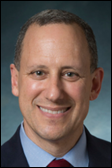
Jordan Miller, MD is a dermatologist at Northern Arizona Dermatology and senior medical director of dermatology at Modernizing Medicine in Boca Raton, FL.


Contacts

Jenn, Mr. H, Lorre

More news: HIStalk, HIStalk Connect.

Get HIStalk Practice updates.
Contact us online.
Become a sponsor.

Jenn_125

News 9/6/17

September 6, 2017 News Comments Off on News 9/6/17

Top News

image

HHS preps for Irma, deploying Disaster Medical Assistance Teams to Puerto Rico and Georgia who will oversee storm response as needed in Puerto Rico, the US Virgin Islands, and Florida. Four additional DMATs and three US Public Health Service Commissioned Corps teams are also on standby. The Category 5 storm has killed at least three people in the Caribbean, and has hit Puerto Rico with winds of between 55 and 70 mph. It is predicted to make landfall near Miami on Sunday.


HIStalk Practice Announcements and Requests

image

image

HIStalk sponsors, submit your MGMA details for inclusion in our annual must-see vendor’s guide. Companies that are walking the show floor instead of ponying up for a booth are also welcome to submit their information. The online guide will publish a few days before the conference kicks off in Anaheim, CA on October 8. 


HIStalk Practice Musings

image

And speaking of MGMA, I think it’s pertinent to mention President and CEO Halee Fischer-Wright, MD’s forthcoming book, “Back to Balance: The Art, Science, and Business of Medicine,” as we close out this national #ReadABookDay. The book promises to offer up her “unique prescription for fixing America’s health care woes, based on her thirty years of experience as a physician and industry leader.” It also promises to answer the age-old question of, ‘What do dinosaurs, George Clooney, and the art of medicine have in common?’ I’ll let you know once I get my hands on it later this month.


Webinars

September 13 (Wednesday) 1:30 ET. “How Data Democratization Drives Enterprise-wide Clinical Process Improvement.” Sponsored by: LogicStream Health. Presenter: Katy Jones, program director of clinical support, Providence Health & Services. Providence is demonstrating positive measurable results in quality, outcomes, and efficiency by implementing clinical process improvement solutions in arming operational and clinical stakeholders with unlocked EHR data. Providence’s army of process engineers use their self-service access to answer questions immediately and gain an understanding of how their clinical care delivery is impacting outcomes. The presenter will describe practical applications that include antibiotic stewardship, hospital-acquired infections, and comprehensive knowledge management.

Previous webinars are on our YouTube channel. Contact Lorre for information on webinar services.


Announcements and Implementations

image

AAFP officials assure attendees and exhibitors that its Family Medicine Experience conference will go on as scheduled in San Antonio next week, despite the havoc wreaked by Harvey in other parts of the state. Deepak Chopra, MD will headline on Wednesday afternoon. Exhibiting HIStalk sponsors include Aprima, CoverMyMeds, EClinicalWorks, Elsevier, Healthfinch, Solutionreach, and Surescripts.

WellCare of Connecticut taps Iora Health to provide primary care services to its 7,000 Medicare Advantage plan members, including its homegrown Chirp patient portal.


Acquisitions, Funding, Business, and Stock

image

Physical therapy software company WebPT hits the 10,000 active clinic milestone, effectively capturing 30 percent of the outpatient rehab therapy market. The company has grown from three to 300 employees since opening for business in 2008. I interviewed CEO Nancy Ham shortly after she joined the company from Medicity late last year.

image

Constellation Software’s Harris Computer division completes its acquisition of Amazing Charts. Harris Healthcare Group President Jerry Canada is enthusiastic about expanding the company’s outpatient-focused software business unit via Amazing Chart’s 4,000 customers. Harris Healthcare’s businesses also include QuadraMed, Picis, MediSolution, CareTracker, Gemms, and iMDsoft.

image

The US Patent and Trademark Office awards InfraWare a patent for speech-recognition technology as part of its First Draft Dictation Recognition Service for healthcare.


People

image

AdvantEdge Healthcare Solutions hires Joe Laden (One Anesthesia) as VP of client management.

Paulette Jaeger (Experian Health) joins Loyale Healthcare as enterprise sales executive.

image

Chris Hammack (Aegis Health Group) joins software development and consulting company PointClear Solutions as VP of business development.


Telemedicine

PatientClick offers telemedicine services for concierge practices.

image

Emergency medicine physician Graves Fromang, DO partners with white-label telemedicine vendor eVisit to launch Treasure Coast Telecare in Florida. No doubt Fromang and his patients are prepping for a possible hit from Irma along the Treasure Coast’s Atlantic-facing shoreline.


Government and Politics

The CDC gives out nearly $29 million to help 44 states combat the opioid epidemic. A large portion of the funds will be earmarked, via separate initiatives, to bolster state-based PDMPs and data-tracking.


Other

image

Ruth Berggren, MD tucks another hurricane under her belt. She cared for patients during and after Hurricane Katrina, and is now volunteering at a pop-up clinic for Harvey victims in a San Antonio middle school. As with Katrina, she is bracing for issues related to a lack of regular services and mental health professionals, and infectious disease outbreaks. She isn’t all doom and gloom, however: “Disasters bring out the best and the worst in people. We always want to look to criticize and identify the mistakes, but these are also opportunities to see how good we really can be. The capacity of our people to take care of one another and to rise to the occasion and to go beyond themselves is just so inspiring.”


Contacts

Jenn, Mr. H, Lorre

More news: HIStalk, HIStalk Connect.

Get HIStalk Practice updates.
Contact us online.
Become a sponsor.
Jenn_125

News 9/5/17

September 5, 2017 News Comments Off on News 9/5/17

Top News

image

Recode reports that tech companies have spent more money on research and development than any other vertical in the US. It’s interesting to note that top spot-takers Amazon and Apple have made the news recently for their rumored interests in healthcare IT. At just over $16 billion, Amazon and its “secret” 1492 lab may very well have the resources to successfully infiltrate the world of healthcare IT. It beat out Volkswagen late last year to become the biggest corporate R&D spender in the world.


HIStalk Practice Announcements and Requests

image

image

It’s that time again: If you’re a HIStalk Sponsor exhibiting at or attending MGMA next month, submit your pertinent details for inclusion in HIStalk Practice’s list of must-see vendors. The guide will publish the week before the conference, which will take place October 8-11 in Anaheim, CA.

image image

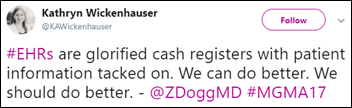
Conference organizers have arranged for award-winning actress Viola Davis to keynote Sunday afternoon. I’ll be keeping an eye on the tweet stream to see if she makes any sort of healthcare connection to her “journey to self-love and success.” Zubin Damania, MD will headline on that Wednesday. He’ll no doubt dive into his experiences at the now defunct Turntable Health. No word yet on whether or not his alter ego, ZDoggMD, will make a cameo appearance.

Stay tuned for a HIStalk Practice interview with MGMA President and CEO Halee Fischer-Wright, MD later this month.


Webinars

September 13 (Wednesday) 1:30 ET. “How Data Democratization Drives Enterprise-wide Clinical Process Improvement.” Sponsored by: LogicStream Health. Presenter: Katy Jones, program director of clinical support, Providence Health & Services. Providence is demonstrating positive measurable results in quality, outcomes, and efficiency by implementing clinical process improvement solutions in arming operational and clinical stakeholders with unlocked EHR data. Providence’s army of process engineers use their self-service access to answer questions immediately and gain an understanding of how their clinical care delivery is impacting outcomes. The presenter will describe practical applications that include antibiotic stewardship, hospital-acquired infections, and comprehensive knowledge management.

Previous webinars are on our YouTube channel. Contact Lorre for information on webinar services.


Announcements and Implementations

image

Translational Software adds a drug-to-drug and drug-to-gene interaction clinical decision support app to its provider portal and pharmacogenomics API.


Acquisitions, Funding, Business, and Stock

A jury orders Nintendo to pay $10 million to iLife Technologies to settle a patent infringement lawsuit that contended the video game company used iLife’s technology in the development of its Wii motion-sensing remote. iLife originally sought $144 million when it filed the lawsuit in 2013. Its technology was originally developed to detect falls and to monitor babies for SIDS. The company filed similar lawsuits against FitBit and Under Armour, all of which seem to have been settled out of court.


People

image

LaTrice Snodgrass (Summa Health Medical Group) joins five-facility AxessPointe Community Health Centers (OH) as COO.

image

Brian McKeon (IDEXX Laboratories) joins Athenahealth’s Board of Directors.


Telemedicine

image

The Indiana Rural Health Association receives a $1 million grant that it will use to fund development of the Upper Midwest Telehealth Resource Center, which provides telemedicine training and services in Indiana, Illinois, Michigan, and Ohio.

image

Michigan-based telemedicine startup Care Convene joins a growing list of companies in offering free virtual consults to people impacted by Hurricane Harvey. The company, which has already signed on 15 Houston-area physicians to provide their services free of charge, will offer complimentary access through September and possibly into October, depending on demand.


Government and Politics

image

Vice President Mike Pence swears in Jerome Adams, MD as the 20th US Surgeon General.


Other

image

The local news looks at the struggles and triumphs of Houston’s dialysis clinics before, during, and after Harvey. The Monday after the hurricane struck, Fresenius Kidney Care not only prepared to care for patients in need of their usual dialysis treatment, but employees displaced by flooding; neighboring clinics in need of help; a lack of basic supplies like electricity, running water, and food; and issues with transportation for all concerned. Sarah Shearer, MD and her FKC colleagues partnered with other local businesses, neighbors, and handy patients to see that no one suffered from a lack of care. “To hear patients laughing and encouraging each other, it is something you would have to be here to believe,” Shearer said.


Sponsor Updates

  • Healthwise adds enhanced visual design to its Patient Instructions.
  • McLaren Flint (MI) avoids a $1 million capital expense for new IV pumps by tracking its pump inventory using Versus Advantages Asset Management.

Blog Posts


Contacts

Jenn, Mr. H, Lorre

More news: HIStalk, HIStalk Connect.

Get HIStalk Practice updates.
Contact us online.
Become a sponsor.
Jenn_125

News 8/31/17

August 31, 2017 News Comments Off on News 8/31/17

Top News

image

ESPN college football analyst and former NFL player Ed Cunningham quits his six-figure job in light of the game’s impact on the health of players. “In its current state,” he told the New York Times, “there are some real dangers: broken limbs, wear and tear. But the real crux of this is that I just don’t think the game is safe for the brain. To me, it’s unacceptable.” Cunningham’s decision, which he admits was a long time coming, was surely spurred on by a recent study that found a debilitating brain disease caused by hits to the head to be in 110 of 111 former NFL players. Three of his friends – all former players – committed suicide and were posthumously found to have the disease. “This is as personal as it gets,” he added.


Webinars

September 13 (Wednesday) 1:30 ET. “How Data Democratization Drives Enterprise-wide Clinical Process Improvement.” Sponsored by: LogicStream Health. Presenter: Katy Jones, program director of clinical support, Providence Health & Services. Providence is demonstrating positive measurable results in quality, outcomes, and efficiency by implementing clinical process improvement solutions in arming operational and clinical stakeholders with unlocked EHR data. Providence’s army of process engineers use their self-service access to answer questions immediately instead of waiting for reports to be written and double checked for possibly inaccurate information. The presenter will describe practical applications that include antibiotic stewardship, hospital-acquired infections, and comprehensive knowledge management.

Previous webinars are on our YouTube channel. Contact Lorre for information on webinar services.


Acquisitions, Funding, Business, and Stock

image

Middleton, WI-based ImageMoverMD raises $1.2 million, bringing its total funding raised to $2.7 million since opening for business in 2013. The company has developed an app that lets physicians and patients send images and videos from their smartphones to EHRs. ImageMoverMD co-founder and President Gary Wendt, MD is also enterprise director of medical imaging at UW Health (WI).


Telemedicine

image

EpicMD offers those affected by Hurricane Harvey free virtual consultants as part of its Share the Care program. Launched over a year ago, the program offers free consults to those in need for every annual membership purchased.

image

The nonprofit Medical Alumni Volunteer Expert Network Project will use $40,000 in grants to connect community health centers in south Florida with telemedicine services. The organization will partner with its team of physician volunteers, the United Way and the University of Miami – both grant funders – and the Florida Association of Free and Charitable Clinics to launch the Miami-Dade Telehealth Program.


Government and Politics

image

The Texas Health and Human Services Commission announces that physicians affiliated with an out-of-state hospital can help out with Harvey-related healthcare efforts without a Texas license until the federal disaster declaration is lifted or expires. Non-hospital affiliated physicians may apply for fast-track licensing. 


Research and Innovation

image

A ProPublica analysis of Medicare data finds that people in Hawaii tend to be much less likely than us mainlanders to overuse opioids and antibiotics. The findings coincide with an update to ProPublica’s Prescriber Checkup tool, which lets users look at the prescribing patterns of physicians who accept Medicare. While Hawaii does have lower rates of obesity, uninsured patients, and preventable hospitalizations, it still struggles with its own methamphetamine epidemic and high rates of homelessness. “I wish I could say that I thought it was because we had this magic formula for educating our doctors or educating our public,” says family physician Scott Miscovich, MD. “It really isn’t the case …. If you roll the statistics back, it’s not all rosy.”


Other

Bloomberg takes a brief look at the ways in which EHRs will likely help Houston-area physicians get back to business as usual once the flood waters recede. J. Stefan Walker, MD of Corpus Christi Medical Associates is confident his cloud-based EHR will help the practice resume normal operations once power is restored. “Even in the unfortunate case of a total loss of our physical facility, which thankfully didn’t happen, we could plug in to any location with remote backup and resume normal operations fairly quickly,” he explains.

image

Google and Facebook successfully complete their Harvey-related multi-million dollar-matching charity campaigns, and continue to urge users to donate to organizations like the Red Cross.

image

Closer to home, Twitter’s #hcldr community is asking healthcare folks to collectively donate $5,000 to various charities.

image

The AAFP and 16 other healthcare industry groups call on the film industry to give movies featuring smoking an “R” rating. The demand stems from a CDC report published earlier this summer that cites a spike in PG-13 movies that depict smoking, and predictions that exposure to such behavior will lead to over 6 million children picking up the habit and 2 million dying from tobacco-induced ailments.


Contacts

Jenn, Mr. H, Lorre

More news: HIStalk, HIStalk Connect.

Get HIStalk Practice updates.
Contact us online.
Become a sponsor.

Jenn_125

Readers Write: The Importance of Technology in Ambulatory Care for Chronic Disease Management

August 30, 2017 Guest articles Comments Off on Readers Write: The Importance of Technology in Ambulatory Care for Chronic Disease Management

The Importance of Technology in Ambulatory Care for Chronic Disease Management
By Allison Hart

image

Approximately 100 million people are affected by chronic pain in the United States, and, according to the CDC, nearly half of all adults in this country are suffering from one or more chronic health conditions. Not only are healthcare providers faced with the daunting task of caring for such a large population, but care for such conditions often require multifaceted treatment protocols to address a wide range of disorders. Due to this, care management for chronic patients can be costly – demanding additional healthcare resources and extensive treatment measures beyond the clinical setting.

Financial pressures and performance demands to keep chronic patients healthy have sparked efforts to find new ways of supporting patients during ambulatory care in order to maximize revenue, reduce readmission penalties, and improve outcomes for less. Due to the complexity of most chronic cases and the sheer number of patients, it is difficult for any organization to effectively manage and engage every patient outside of a clinical setting without the right tools.

According to a recent West survey, more than half of patients struggling with chronic disease are only somewhat confident, at best, when it comes to managing their condition. And, another 35 percent of these patients were not sure what their target numbers should be for key health indicators like blood pressure, cholesterol, and weight. In order to effectively manage chronic conditions, not only does each patient need to feel confident in their understanding of treatment adherence, but both patient and provider need to have a firm grasp on the patient’s daily health status in order to avoid declining health and costly hospitalizations.

Successful chronic disease management requires continuity of care. A patient’s checkup is only a small portion of managing a chronic disease, especially when dealing with complex conditions like diabetes that require frequent monitoring and balancing of insulin levels, weight, and blood pressure. Research has shown that patients have a strong desire to improve their quality of life, but in many cases, they are unsure how to make decisions or changes that will create real improvement. Healthcare providers can support chronic patients with engaging outreach and resources that give patients the knowledge they need to better manage their condition.

The Role of Remote Technology During Ambulatory Care

The rise in value-based payment models has prompted healthcare organizations to invest in more efficient methods of patient management – including technology-enabled communications – to help improve the quality of life for patients in a cost-effective way. The rise of biometric monitoring devices, such as pulse oximeters, blood glucose meters, and heart rate monitors is making it easier for physicians to closely monitor a patient’s health status remotely. But while tracking daily analytics is key to ensuring chronic patients are maintaining good health, it is only one aspect of treatment.

In addition to collecting data on a patient’s physical health, clinicians can also leverage existing automated reminder technology to create and schedule a series of communications to support the patient’s long-term health management plan. For example, a diabetic patient might receive notifications via email or text to remind them to take medications, schedule routine eye and extremity exams, or schedule an appointment for an A1C draw. Automated communications can also be used to lend preventive support to low-risk patients to provide educational materials such as recent research on how to manage their specific ailment, videos on diet or exercises, or links to support services. Pairing biometric device data with automated support during ambulatory care can help providers establish critical touch points for intervention, or better predict negative outcomes that might escalate into a readmission.

Automated Surveys Streamline Treatment Efforts

The use of surveys in chronic care management have traditionally been reserved for recently discharged patients and offer great insight into how a patient is coping outside of the clinical setting. In fact, Hospital Consumer Assessment of Healthcare Providers and Systems (HCAHPS) surveys found that patients often expressed feeling disconnected from their medical team after discharge and even confused or uncertain about how to comply with care instructions after leaving the hospital. This type of information is paramount for case managers dealing with newly released patients, but could also prove invaluable for physicians caring for the long-term health of chronic patients in the ambulatory setting.

Surveys are currently underutilized by most providers as a chronic disease management tool. The same survey found that many providers monitoring the health of their chronic patients depend on in-person visits to ask questions, while only five percent stated they use survey check-ins that ask questions specifically about treatment plans. Not only is this a costly approach for both healthcare organizations and patients, but it lends itself to poor results in terms of accurately monitoring each patient’s progress on a consistent basis.

Similar to the HCAHPS, clinicians can leverage their automated reminder technology to more proactively and regularly send their chronic patients a series of questions regarding things like pain levels, medication compliance, and sleep patterns to determine if the patient is on track with treatment or if they need to intervene. Leveraging their EHR systems, care teams can also target efforts based on risk stratification – sending more in-depth questions to those more likely to develop complications. This method provides clinicians with a cost-effective method of collecting continual feedback on how each individual patient is coping during daily life. It also addresses the issue of patients feeling disconnected with their providers and makes them feel that their care team is engaged in their treatment journey.

Chronic disease management is complex and requires a multifaceted approach by providers and patients. The office visit is just the beginning of care – effective care management requires that providers and healthcare organizations incorporate the right tools and strategies in the ambulatory setting to reduce readmissions, engage patients, and prevent long-term cost deficits. Leveraging cost-effective technologies that allow patients and providers to stay connected on a day-to-day basis is changing the way doctors and patients approach chronic disease treatment.

Allison Hart is vice president of marketing for TeleVox Solutions at West in Omaha, NE.


Contacts

Jenn, Mr. H, Lorre

More news: HIStalk, HIStalk Connect.

Get HIStalk Practice updates.
Contact us online.
Become a sponsor.

Jenn_125

Platinum Sponsors


Gold Sponsors


Subscribe to Updates


Search All HIStalk Sites


Recent Comments

  1. The article about Pediatric Associates in CA has a nugget with a potentially outsized impact: the implication that VFC vaccines…
  2. Re: Walmart Health: Just had a great dental visit this morning, which was preceded by helpful reminders from Epic, and…

  3. NextGen announcement on Rusty makes me wonder why he was asked to leave abruptly. Knowing him, I can think of…

  4. "New Haven, CT-based medical billing and patient communications startup Inbox Health..." What you're literally saying here is that the firm…

  5. RE: Josephine County Public Health department in Oregon administer COVID-19 vaccines to fellow stranded motorists. "Hey, you guys over there…